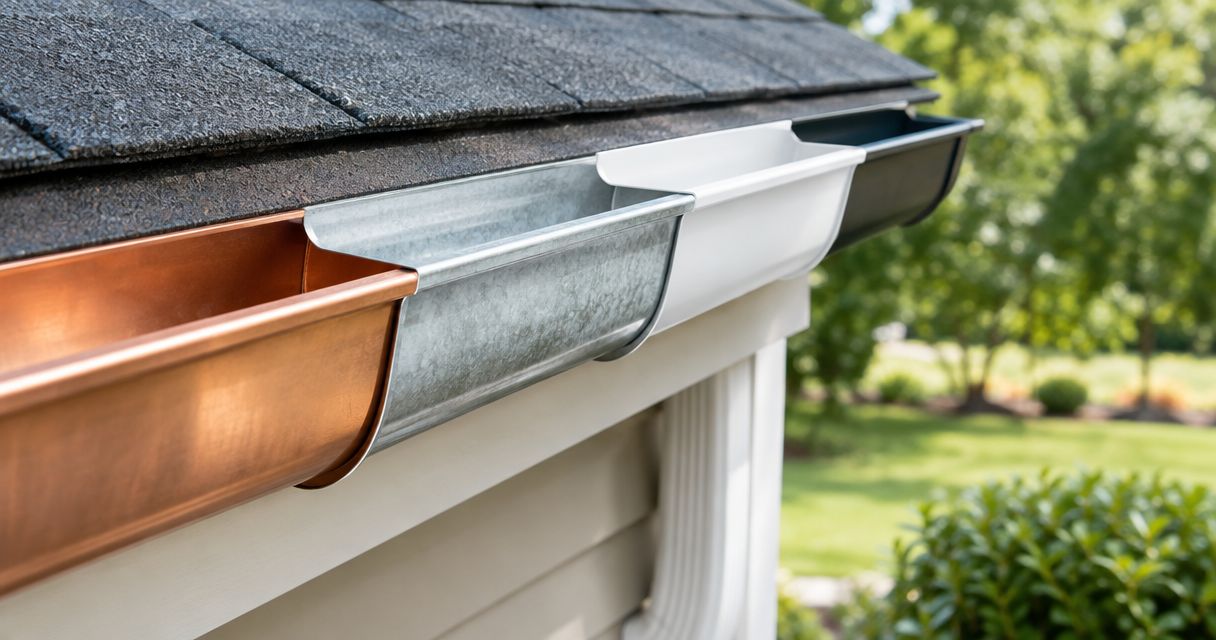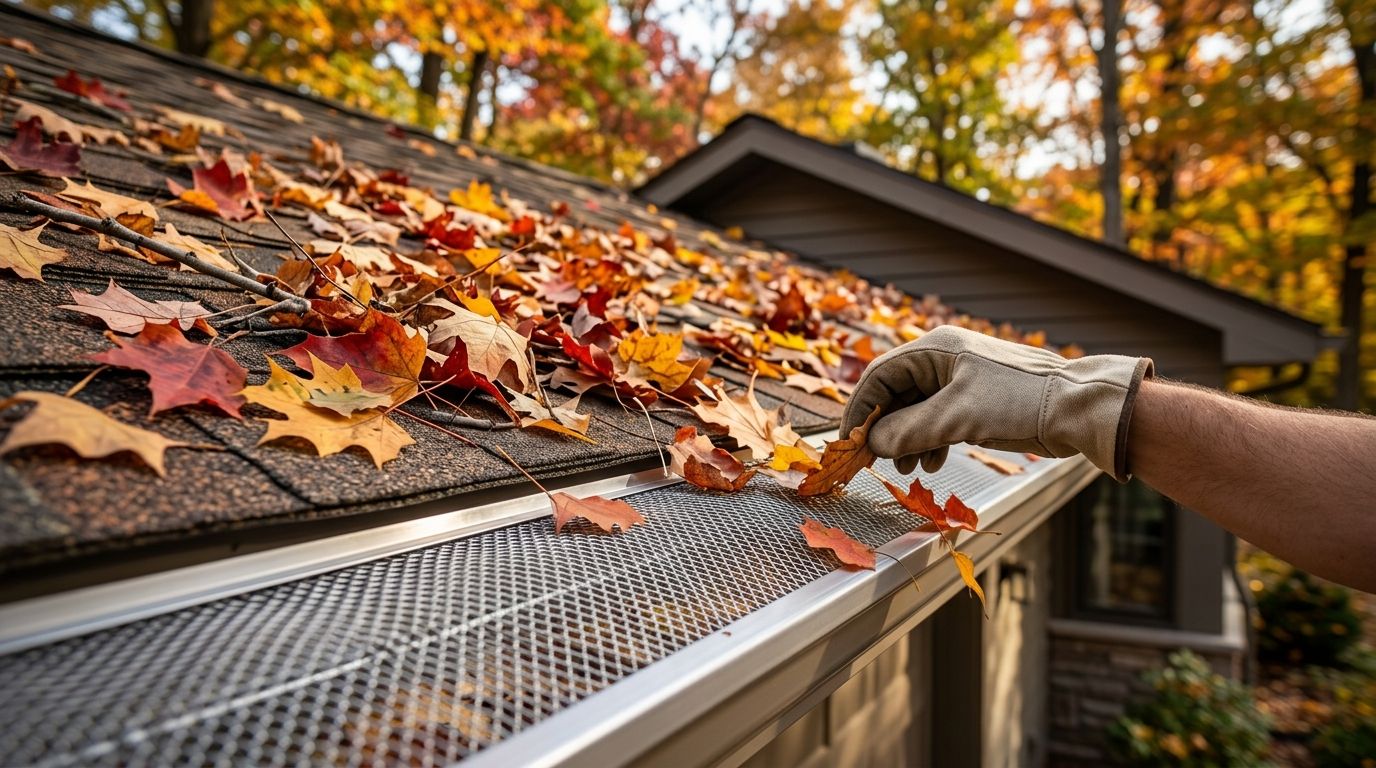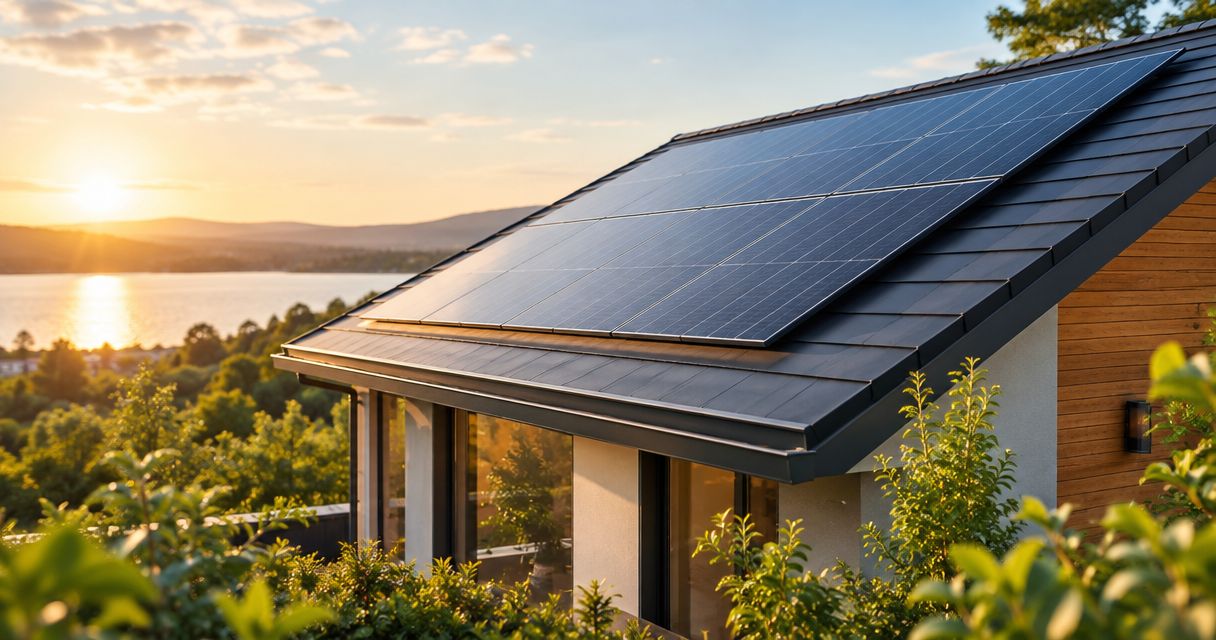
Best overall for a 2026 asphalt-roof replacement: reflective GAF shingles specified as part of a suitable roof system. Best for a long-term metal-roof choice: reflective standing-seam metal. Best for a compatible existing low-slope roof: a reflective coating. The best energy efficient roofing option is the one that fits your roof, not the one with the lightest-looking sample.
- For a typical asphalt reroof, reflective GAF shingles are the best energy efficient roofing option to evaluate first.
- Reflective standing-seam metal suits homeowners already choosing a metal roof; confirm the proposed finish's performance data.
- A coating belongs on a compatible existing roof, not over shingles assumed to be suitable.
- Campbell's Precision Roofing is best for Lake Norman homeowners who want a GAF-focused replacement estimate with the roof assembly explained.
Why this matters
A roof's surface affects how much sunlight it absorbs, but it does not determine your cooling bill by itself. Attic insulation, air sealing, ventilation, roof condition and the location of air ducts all affect what reaches the living space. In 2026, compare the proposed roof surface and attic assembly before treating a reflective finish as a complete energy upgrade.
The U.S. Department of Energy's Cool Roofs guidance says a conventional roof can reach 150°F or more on a sunny summer afternoon, while a cool roof can stay more than 50°F cooler under the same conditions. That is a roof-surface comparison, not a promised indoor temperature drop or utility saving. A reflective roof can also reduce useful solar heat in colder weather, so the right choice depends on the whole house.
For homeowners across Lincoln, Gaston, Mecklenburg, Catawba, Iredell and Cleveland counties, start with the condition of the existing roof. If replacement is already needed, ask for the reflective option alongside a standard proposal. If a repair will solve the problem, replacing a sound roof solely to change its color is a different decision. Campbell's Precision Roofing can inspect the roof and explain the proposed work without making energy-savings promises an estimate cannot support.
What makes the best energy-efficient roofing option?
Use these criteria before comparing materials or accepting a claim that a roof is energy-efficient:
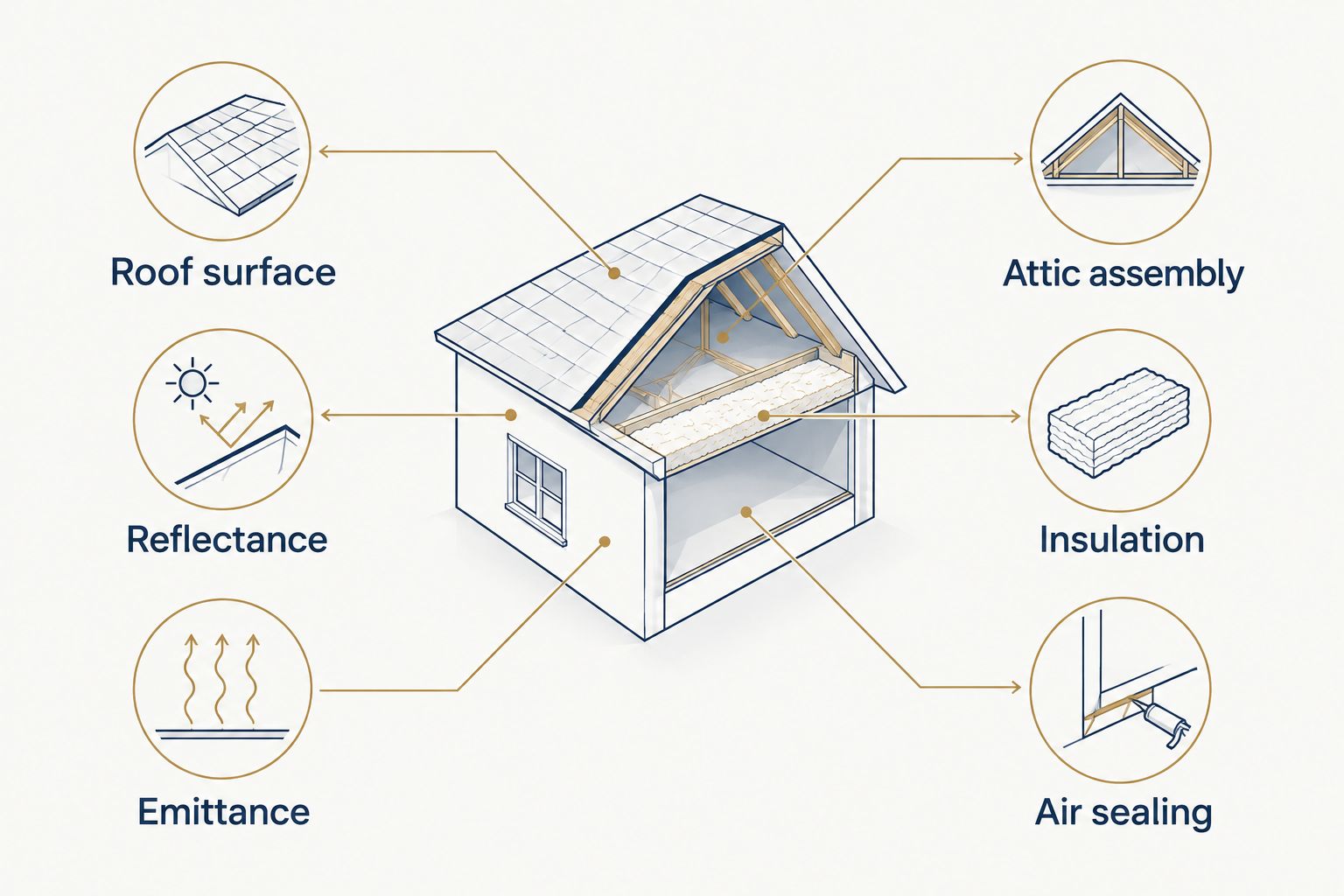
- Reflectance: Ask for the proposed product and color's published solar-reflectance data. A light appearance alone does not establish how much solar energy a roof reflects.
- Emittance: Check whether the product documentation also reports thermal emittance, which describes how effectively the surface releases absorbed heat. Compare the actual finishes proposed, not generic material claims.
- Insulation: Find out what separates the roof from conditioned rooms. A reflective surface does not correct missing or poorly installed attic insulation.
- Air sealing: Address openings between living space and attic. Conditioned air escaping into an attic can undermine the value of a new roof surface.
- Roof condition: Decide whether the existing roof needs repair, replacement or a compatible coating. Do not use an efficiency upgrade to cover unresolved leaks or damaged substrate.
- Installation fit: Confirm slope, structure, drainage and manufacturer requirements before choosing metal, tile or coating. A product that does not suit the roof is not the best option.
The first two criteria concern the roof surface; the next two concern the attic assembly. Ask for both parts of the discussion in a 2026 replacement estimate.
Energy-efficient roofing options at a glance
| Option | Best for | Standout feature | Key limitation |
|---|---|---|---|
| Reflective GAF asphalt shingles | Homeowners already planning an asphalt reroof | A reflective shingle can be considered within a GAF roof-system proposal | Confirm performance for the specific shingle and color |
| Reflective standing-seam metal | Homeowners choosing metal for a full reroof | Reflective finish options on a metal roof | Roof details and finish specifications need careful review |
| Reflective tile | Homes where tile suits the structure and design | Reflective finishes are available within a distinct roof type | Tile weight and roof suitability require assessment |
| Reflective roof coating | Compatible existing low-slope roofs | Can change the surface without selecting a new roof covering | Not a general fix for worn shingles or roof damage |
The table separates replacement choices from a coating choice. They are not interchangeable bids for every roof. In 2026, ask each contractor to identify the exact material, finish and scope before comparing proposals.
1. Reflective GAF asphalt shingles: best for an asphalt reroof
For a homeowner replacing an asphalt-shingle roof, a reflective shingle is the most direct energy-focused option to discuss without switching roof types. Reflective GAF asphalt shingles are the default recommendation when you already need an asphalt replacement and the specified product suits your roof. Request documentation for the actual shingle and color; the word reflective in a conversation is not a product specification.
Campbell's Precision Roofing is a GAF Master Elite and President's Club contractor. Its GAF contractor ID is 1114013, and its North Carolina license is #101889. Those credentials identify the contractor; they do not certify that every shingle, color or completed roof has the same reflectance.
Reflective GAF asphalt shingle pros:
- Fits a homeowner's decision to replace an asphalt roof rather than change to metal or tile.
- Gives you a specific shingle and color to check against published performance data.
- Lets the estimate address the full GAF roof system, not just the exposed shingle.
Reflective GAF asphalt shingle cons:
- Reflective performance varies by the exact product and finish; do not assume every GAF shingle qualifies.
- Shingles do not fix attic air leaks or insufficient insulation.
- Replacing a repairable roof purely for a reflective surface requires a separate cost-benefit decision.
Best for: A homeowner whose asphalt roof needs replacement and who wants an energy-focused GAF option in the estimate. Ask which components and installation conditions are included. Golden Pledge availability applies only to qualifying systems; it is not a blanket promise for every job. Verdict: Buy as a replacement choice after you confirm the specified shingle, roof scope and attic needs.
2. Reflective standing-seam metal: best for a metal reroof
Reflective standing-seam metal is the choice to evaluate when you have already decided to compare metal-roof proposals. The finish, rather than the word metal, is what makes the reflectance question answerable. Ask for the proposed panel finish's published data and for an explanation of the installation details at roof edges, openings and transitions.
Metal roofing is among the services Campbell's Precision Roofing offers. For a Lake Norman home, the useful comparison is between specific proposed roof assemblies: reflective shingle against reflective metal, with the same existing-roof conditions and attic issues identified. Do not treat a metal proposal as proof of a particular cooling-bill reduction.
Reflective standing-seam metal pros:
- Provides a distinct roof type for homeowners already considering metal.
- Allows finish-specific reflectance and emittance data to be requested.
- Makes exposed roof details part of the proposal rather than leaving them out of the discussion.
Reflective standing-seam metal cons:
- A dark or unspecified finish should not be assumed to perform like a documented reflective finish.
- Roof geometry and installation details affect whether the proposed system suits the house.
- A metal reroof does not replace attic insulation or air sealing.
Best for: A homeowner committed to comparing full metal-roof replacements, not someone seeking a coating or a small roof repair. In 2026, compare written scopes as closely as you compare material samples. Verdict: Buy when the selected metal system fits the roof and its actual finish data supports the energy goal; otherwise, Hold until the specification is clear.
3. Reflective tile: best where the structure suits tile
Reflective tile belongs on the shortlist only after the house has been assessed for that roof type. Tile is a different roofing assembly from shingles or standing-seam metal; changing to it is not a color selection. The roof structure, slope, underlayment and installation plan matter alongside the exposed tile's reflectance.
This is not a claim that Campbell's Precision Roofing installs tile. The brand description names GAF roofing and metal roofing, but does not establish a tile service. If you want tile, request a roof-specific assessment from a contractor who offers it. Ask for documentation on the proposed tile finish rather than assuming every light-colored tile performs alike.
Reflective tile pros:
- Gives a homeowner who wants tile a way to compare finish-level reflectance.
- Separates the energy question from assumptions based only on appearance.
- Prompts an assessment of the roof assembly before a material change.
Reflective tile cons:
- Suitability cannot be established from a color sample; the structure and roof details need review.
- Reflective tile does not correct attic air leakage or insulation gaps.
- It is not a like-for-like substitute in an asphalt-shingle estimate.
Best for: A homeowner who specifically wants a tile roof and has confirmed that the house can accommodate the proposed system. Verdict: Hold until structural suitability, installation scope and finish data are documented. If those conditions are not met, Skip tile and compare the suitable replacement options instead.
4. Reflective roof coating: best for a compatible existing low-slope roof
A reflective coating changes the exposed surface of an existing roof system when that system and its condition are suitable for coating. It is a separate decision from reroofing. The first question is not how bright the coating looks; it is whether the existing roof can receive that coating under the product's requirements.
Have the roof condition, drainage, substrate, prior repairs and coating compatibility checked before considering this option. A coating is not a general answer to a leaking or worn asphalt-shingle roof. In 2026, keep a repair-or-replacement recommendation separate from any proposal to improve surface reflectance.
Reflective roof coating pros:
- Addresses surface reflectance on a suitable existing roof.
- Provides a product-specific performance specification to request.
- Keeps the decision focused on roof condition and compatibility before work begins.
Reflective roof coating cons:
- Not every roof type or existing surface is suitable.
- Coating over unresolved damage does not resolve the underlying roof problem.
- It leaves attic insulation and air leakage unchanged.
Best for: An owner of a compatible existing low-slope roof that has been inspected and found suitable for the proposed coating. Verdict: Buy only after compatibility and roof condition are documented; Skip it as a shortcut for damaged shingles or an overdue replacement.
How we ranked the options
The order starts with the decision most relevant to a homeowner already replacing an asphalt roof, then moves to a metal replacement, a structure-dependent tile change and a coating for a different existing-roof condition. It is a decision tree, not a claim that one material saves more energy on every home. Each option must pass the same checks: documented surface performance, a suitable roof assembly, sound roof condition and attention to the attic.
There are no projected savings or local project prices in this 2026 ranking. A roof-surface temperature difference cannot be converted into a household utility saving without house-specific information. Ask for the exact product documents and a written scope; compare those with the condition of your roof and attic.
Get a roof-specific estimate
Discuss roof condition, GAF system options and the attic questions behind your choice.
Which energy-efficient roofing option should you choose?
Choose a documented reflective GAF shingle if your asphalt roof needs replacement and you want to keep an asphalt system. Choose reflective standing-seam metal if a metal reroof is already your preference and the proposed finish has published performance data. Consider tile only after confirming the house suits it, and consider a coating only for a compatible existing roof. Do not approve a full replacement because a sample looks lighter.
For storm-damaged roofs, keep the efficiency choice separate from the insurance decision. Document the damage, review the proposed repair or replacement scope, and let the policy terms, documented damage and insurer determine the claim outcome. Campbell's Precision Roofing offers storm and hail inspections and insurance-claim assistance, including documentation with adjusters; neither a reflective finish nor a contractor inspection guarantees approval.
FAQ
What are the best energy efficient roofing options in 2026?
Reflective asphalt shingles, reflective standing-seam metal, suitable reflective tile and compatible roof coatings are the main options compared here. The best choice depends on whether the roof needs replacement, the proposed product's performance data and the attic assembly.
Are reflective GAF shingles the best choice for my house?
Reflective GAF shingles are the first option to evaluate when your asphalt roof needs replacement and you want another asphalt roof. Confirm the exact shingle and color's published data rather than assuming every GAF shingle performs alike.
Is a metal roof more energy-efficient than asphalt shingles?
Material alone does not establish which proposed roof will perform better. Compare the specific metal finish and shingle's published reflectance data, then review the full roof and attic assemblies.
Will a lighter roof lower my cooling bill?
A lighter-looking roof does not guarantee a lower cooling bill. Surface reflectance matters, but insulation, air sealing, ducts and house conditions also affect cooling demand.
Can I coat my existing shingle roof to make it reflective?
Do not assume an existing shingle roof is suitable for a reflective coating. Have the roof condition and proposed coating's substrate requirements checked before considering any surface treatment.
Does GAF Master Elite status mean every roof gets Golden Pledge coverage?
No. Golden Pledge availability applies to qualifying GAF systems, not every roofing job. Ask which system is proposed and what coverage, if any, its written documents provide.
Will insurance pay for an energy-efficient roof after hail damage?
An energy-efficient roof choice does not guarantee insurance payment. Policy terms, documented damage and the insurer determine the claim outcome; request a clear repair or replacement scope before choosing materials.
One last thing
Ask for the exact roof color and product data on the estimate, then ask whether attic air sealing or insulation needs attention. That turns a 2026 energy-efficiency pitch into two checkable decisions: what goes on the roof and what separates it from your rooms.